
Loading...
Loading...
Get back to your sport stronger and more confident. Our sport-specific rehab protocols are designed by therapists who understand the demands of athletic competition.
At NeoLife, we understand that rehabilitation from a sports injury isn't just about healing — it's about returning to competition at full capacity. Our sports rehabilitation programs are built around the specific demands of your sport, your position, and your performance goals.
Every athlete receives a comprehensive evaluation that assesses not just the injury, but movement patterns, strength imbalances, and sport-specific functional capacity. From there, we build a progressive rehabilitation plan that takes you from initial recovery through return-to-sport testing.
As part of the NeoVerse ecosystem, athletes who complete rehab at NeoLife can seamlessly transition to NeoFit Performance for advanced sports performance training — creating a complete recovery-to-performance pathway.
Available at All 4 Gulf Coast Locations

Continue your journey at NeoFit Performance
Elite sports performance training — 2nd floor, D'Iberville
Click any injury below to learn about our evidence-based approach to getting you back in the game.
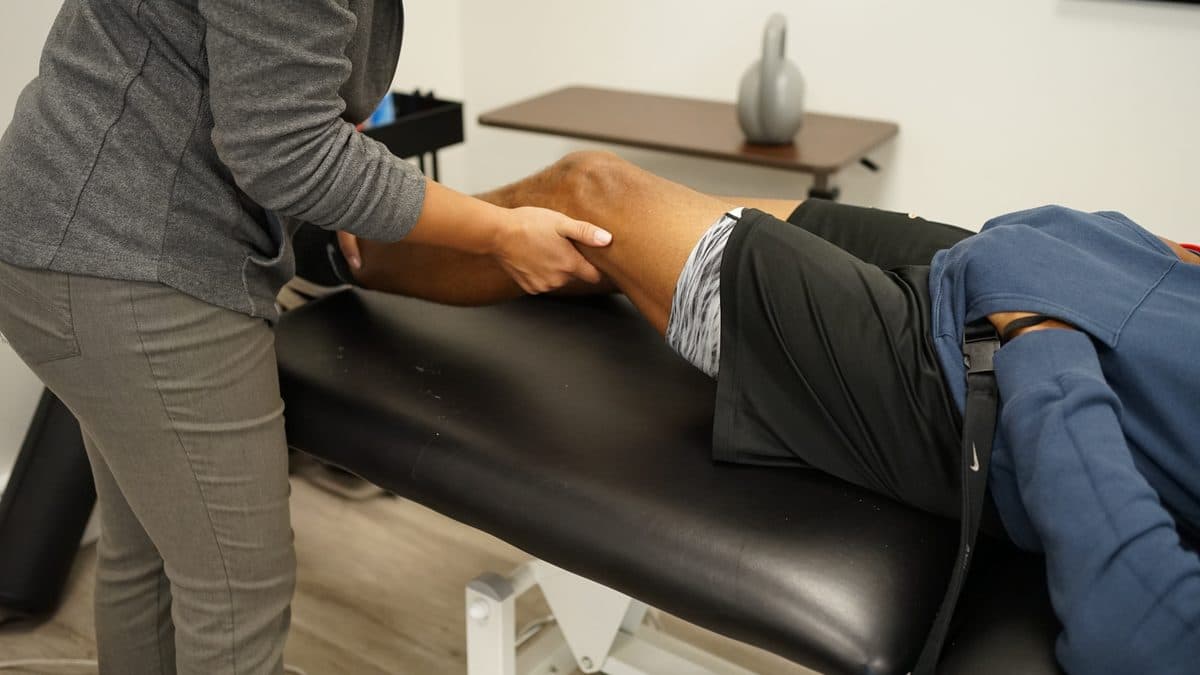
Knee ligament and meniscus injuries are among the most common sports injuries we treat — especially in football, soccer, and basketball athletes on the Mississippi Gulf Coast. Whether you tore your ACL and need post-surgical rehab, sprained your MCL, or are dealing with a meniscus tear, our therapists build a progressive, sport-specific protocol that restores stability, strength, and confidence. We use objective return-to-sport testing to ensure your knee is truly ready before you compete again — not just a calendar-based timeline.
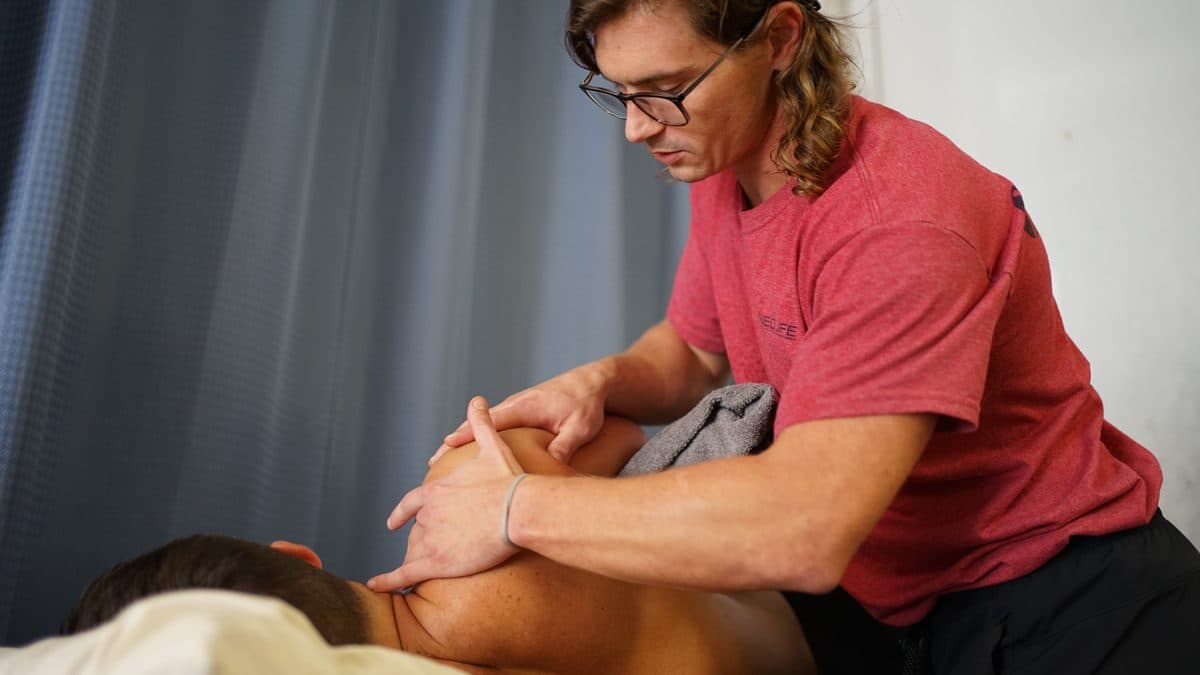
Shoulder injuries affect athletes across every sport — from overhead throwers and swimmers to weightlifters and contact sport athletes. Rotator cuff tears, labral injuries, and shoulder instability require precise rehabilitation that restores not just range of motion but the dynamic stability needed for high-speed, high-force movements. At NeoLife, your therapist assesses the entire kinetic chain — shoulder blade mechanics, thoracic spine mobility, and core stability — because shoulder injuries rarely exist in isolation.
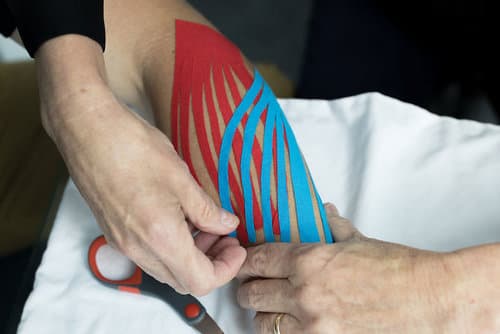
Baseball is part of life on the Mississippi Gulf Coast, and Tommy John surgery is one of the most common procedures we rehabilitate. UCL reconstruction requires a carefully progressed throwing program that rebuilds elbow stability, restores arm speed, and prevents re-injury. Our therapists work through every phase — from early range of motion and strengthening through an interval throwing program and return-to-competition — with the one-on-one attention that a complex throwing rehab demands.
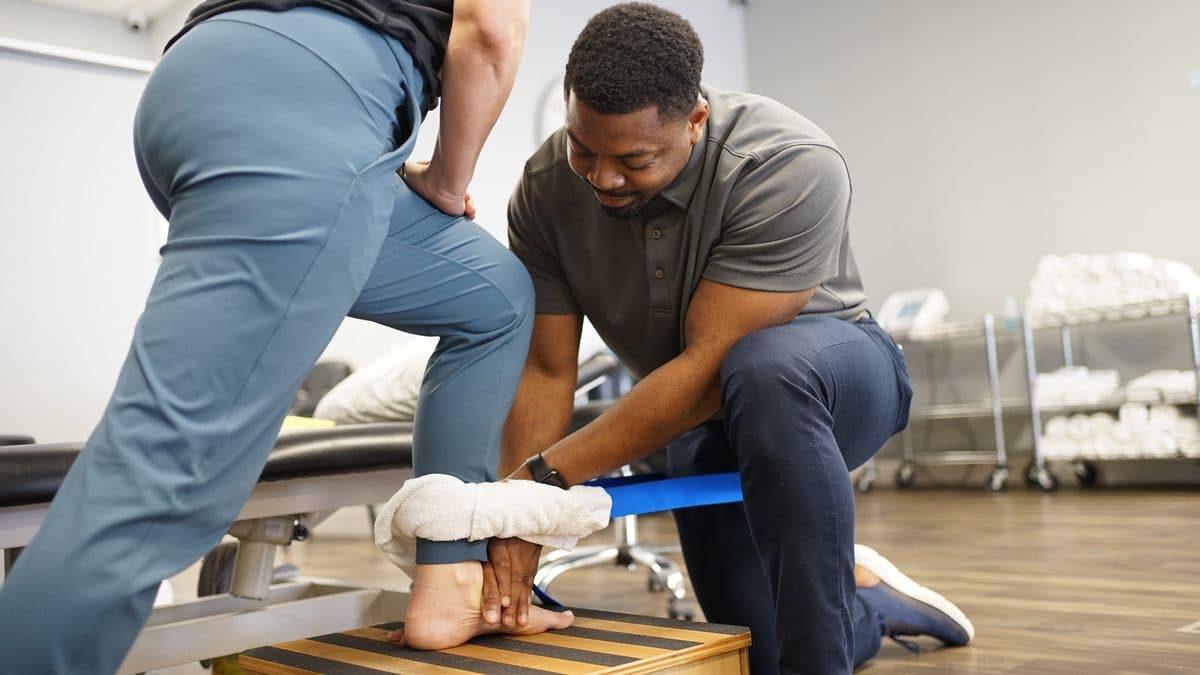
A sprained ankle that doesn't fully rehabilitate is an ankle that will sprain again. If your ankle keeps giving way or you're dealing with chronic Achilles tendonitis or a rupture, you need more than rest and a brace. Our therapists restore proprioception, ankle stability, and sport-specific agility through progressive balance training, manual therapy, and functional movement drills — addressing the root cause of recurring sprains, not just the symptoms.
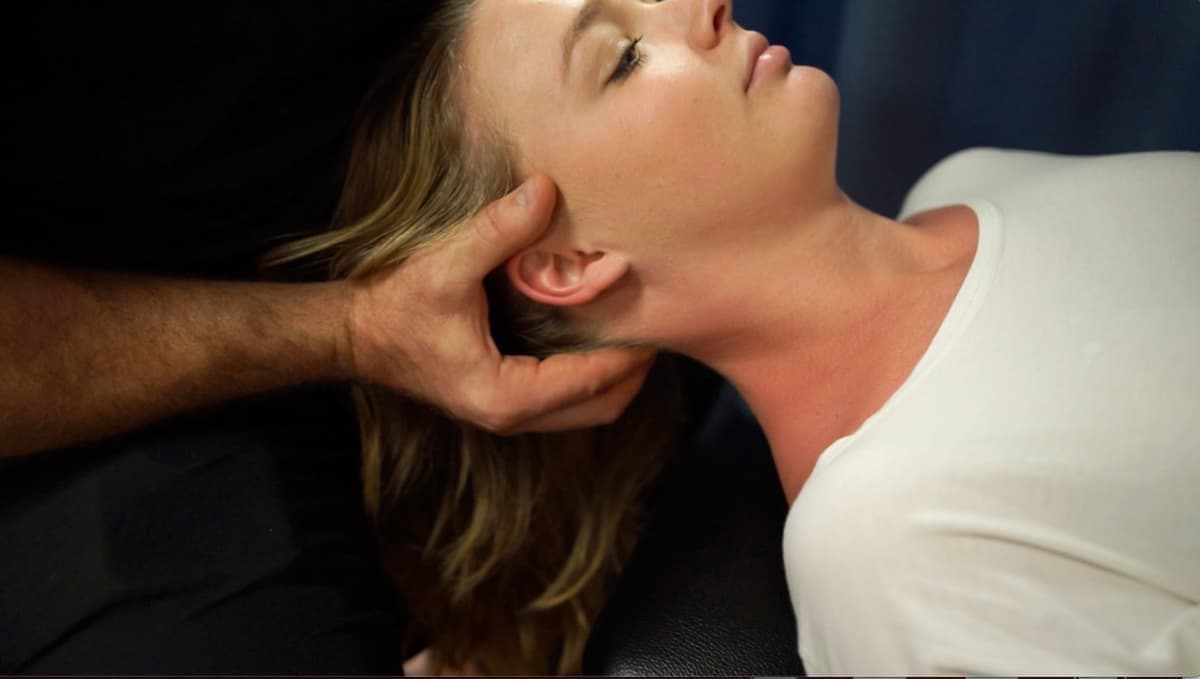
Post-concussion rehabilitation requires specialized vestibular and exertion testing that most PT clinics don't offer. At NeoLife, we use evidence-based concussion recovery protocols including vestibular rehabilitation, graded exertion testing, and a graduated return-to-play progression tailored to your sport. Parents of youth athletes can trust that their child's return-to-play decision is based on objective clinical testing, not guesswork.
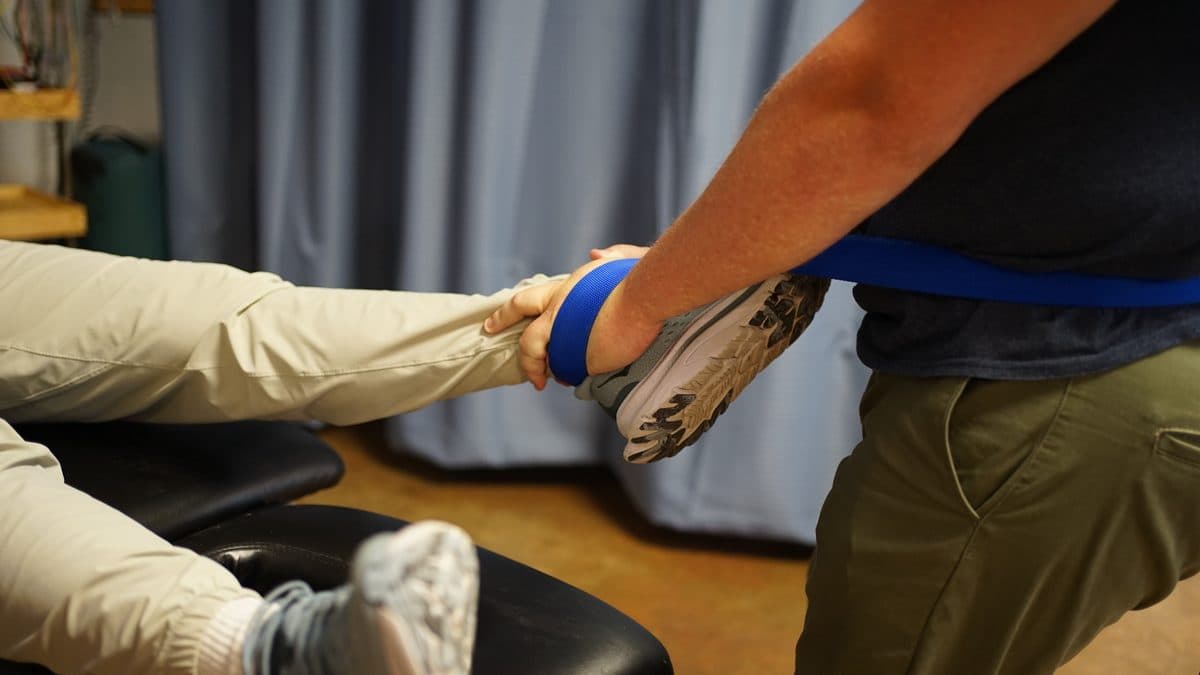
Hip labral tears and femoroacetabular impingement (FAI) are increasingly recognized in soccer players, runners, and athletes who rely on rotational hip movements. Whether you're pursuing conservative rehab or recovering from arthroscopic surgery, our therapists target hip stability, core control, and movement mechanics to get you back to pain-free athletic performance. These injuries require a clinician who understands hip biomechanics — not a generic stretching program.
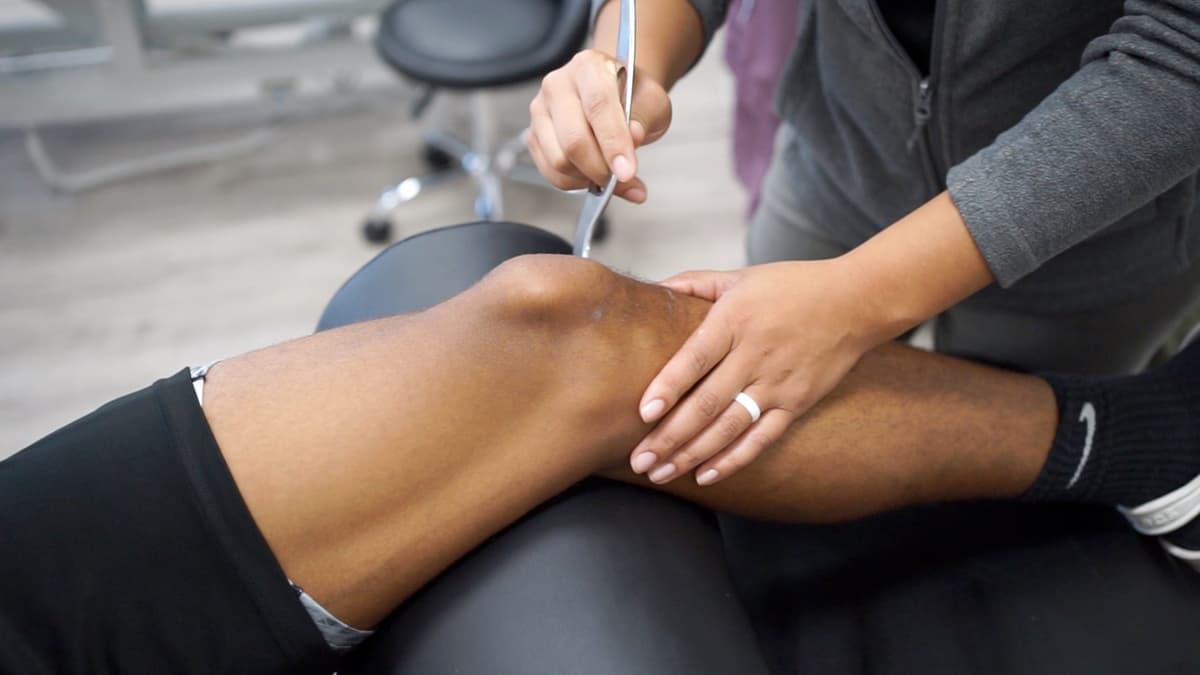
Patellofemoral pain (runner's knee) and IT band syndrome are the most common overuse injuries in runners, cyclists, and track athletes. These injuries rarely resolve with rest alone because the underlying cause — usually hip weakness, poor movement mechanics, or training errors — persists. Our therapists identify exactly what's driving your pain through a detailed biomechanical assessment and build a rehab plan that fixes the root cause so you can train without limits.
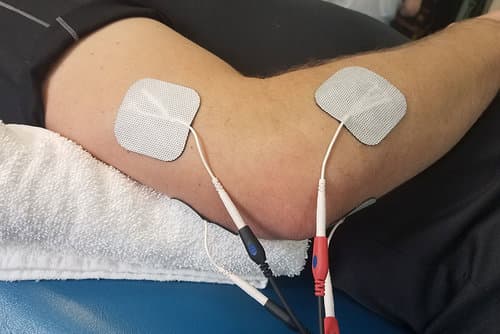
Lateral epicondylitis (tennis elbow) and medial epicondylitis (golfer's elbow) are tendon overuse injuries that affect athletes and weekend warriors alike. Whether it's from golf at the Gulf Coast courses, racquet sports, or repetitive training, these conditions respond well to manual therapy, eccentric strengthening, and IASTM when addressed with clinical precision. Our one-on-one treatment model means your therapist can combine hands-on techniques with progressive loading protocols tailored to your sport.
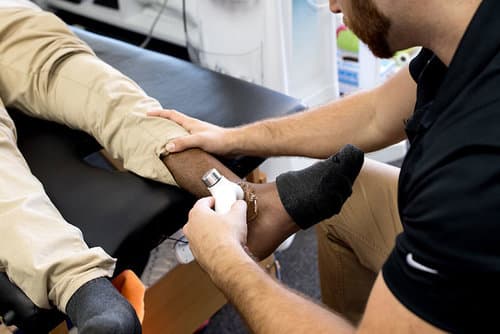
Plantar fasciitis is one of the most common conditions we treat in both athletes and active adults. That sharp heel pain with your first steps in the morning is a sign that the plantar fascia is overloaded — and it won't resolve on its own without addressing the biomechanical factors that caused it. Our therapists use manual therapy, dry needling, IASTM, and targeted strengthening to eliminate pain and prevent recurrence. If you've tried insoles and rest without success, it's time for hands-on treatment.
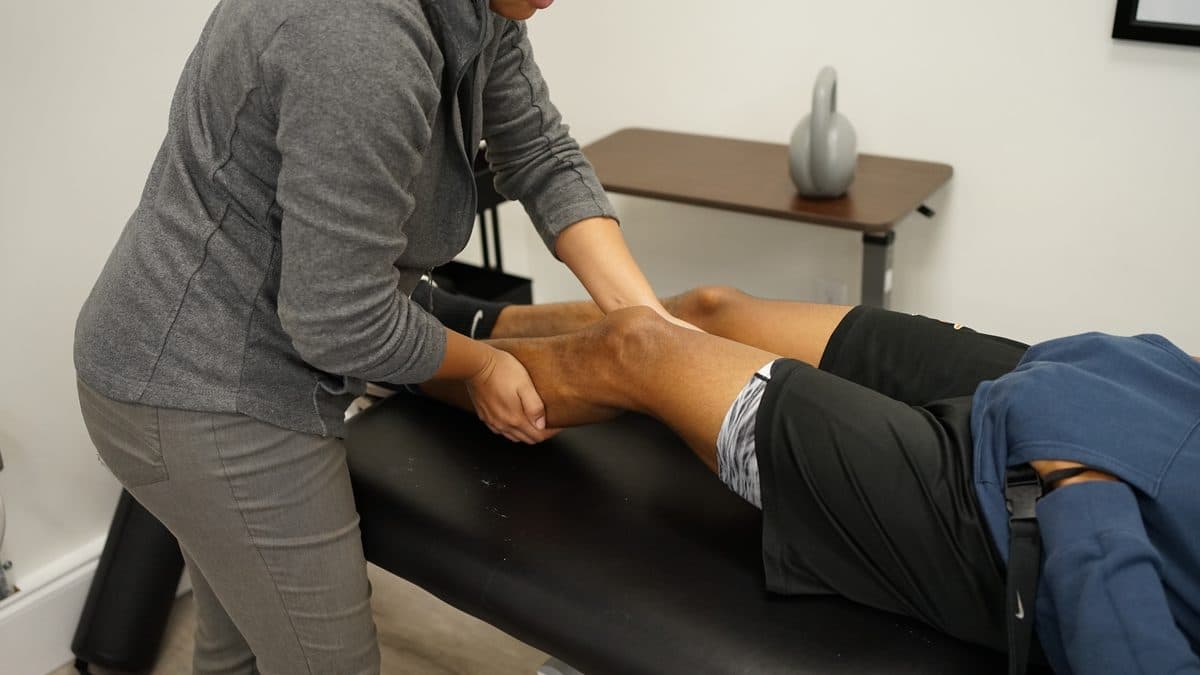
Stress fractures, shin splints, and other overuse injuries result from training loads that exceed your body's ability to recover. These injuries are common in cross-country runners, track athletes, and military personnel on the Gulf Coast. Our rehab approach goes beyond just healing the injury — we analyze training volume, running mechanics, and bone health factors to build a return-to-activity plan that prevents the cycle of re-injury that plagues so many athletes.
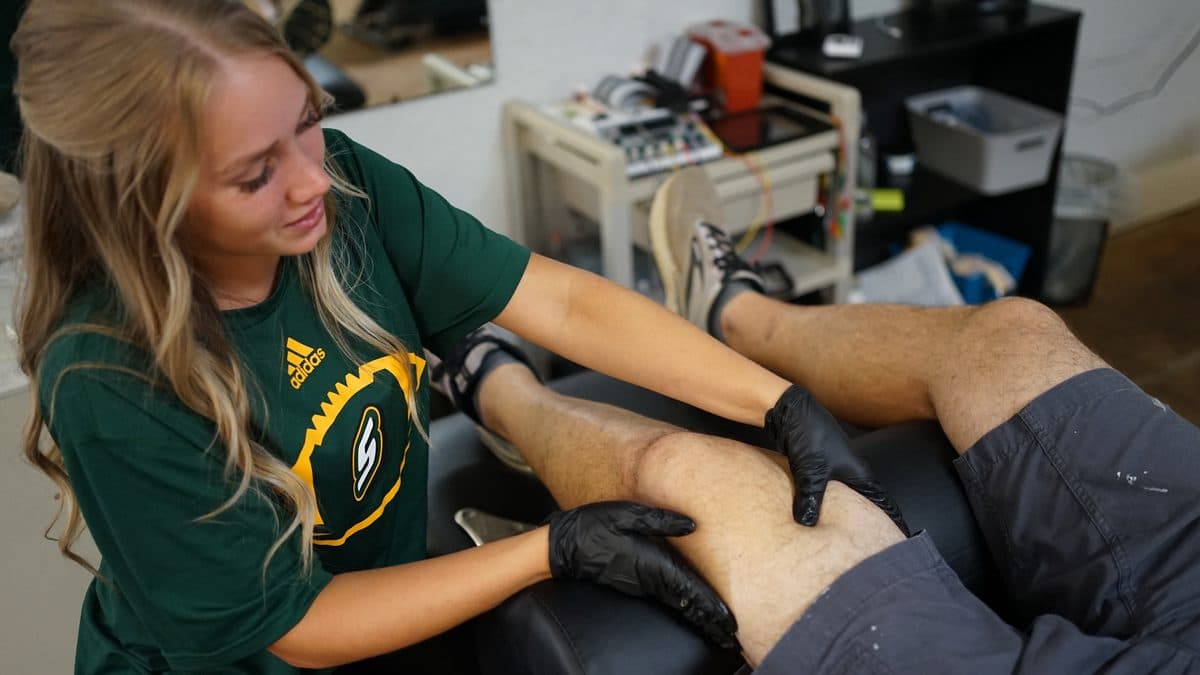
Hamstring strains, quad contusions, calf tears, and groin pulls are common in every sport from football to recreational running. A muscle strain that doesn't fully rehabilitate leads to scar tissue, compensatory movement patterns, and re-injury. Our therapists use soft tissue mobilization, progressive loading, and sport-specific functional training to restore full muscle strength and elasticity — so you return to competition without the nagging tightness that leads to another pull.
Common Questions
Return-to-sport timing depends on the injury type, surgical status, and sport demands. At NeoLife, we use objective return-to-sport testing — including strength, power, and movement quality assessments — to determine when you're truly ready. We never rush the process.
Yes. We treat athletes of all levels — from youth and high school to collegiate, recreational, and professional. Our therapists understand the unique demands of each sport and competition level.
NeoLife Physical Therapy handles injury rehabilitation — getting you from injured to functional. NeoFit Performance (our sister company, 2nd floor D'Iberville) handles sports performance training — taking healthy athletes to the next level. Many athletes transition from NeoLife to NeoFit as they complete rehab.
Yes. Mississippi is a direct access state — you can see a physical therapist without a physician referral. If you've had surgery, we'll coordinate with your surgeon's protocol. Call (228) 280-8120 to get started.
Yes. We offer evidence-based concussion recovery protocols including vestibular rehabilitation, exertion testing, and graduated return-to-play progression. Each athlete receives an individualized plan based on their symptoms and sport.
ACL rehabilitation typically takes 6–9 months depending on the graft type, sport demands, and individual healing. At NeoLife, we use objective criteria — not just time — to determine when you're ready to return. This includes strength testing, movement quality assessment, and sport-specific functional tests.
Yes. Plantar fasciitis responds well to manual therapy, dry needling, IASTM, and targeted strengthening. Most patients see significant improvement within 4–6 weeks of consistent treatment. If rest and insoles haven't worked, hands-on physical therapy addresses the biomechanical root cause.
Tommy John (UCL reconstruction) rehab is a phased process that typically takes 12–18 months for throwing athletes. It progresses from early range of motion and elbow strengthening through an interval throwing program and return to competition. Every phase requires precise clinical management to protect the graft while restoring arm speed.
Patient Reviews
“After my ACL surgery, NeoLife got me back to full strength faster than I expected. The hands-on approach makes all the difference. Dr. Ellis and his team are incredible.”
James R. — Gulfport
“Rotator cuff surgery recovery was intimidating, but the NeoLife team made it manageable. Best medical professionals I've worked with in 20 years on the Gulf Coast.”
David H. — Gulfport

Medically Reviewed by Dr. Robby Ellis, DPT
Founder, NeoLife Physical Therapy & Wellness | Licensed PT, Mississippi | 10+ Years Experience
View credentials →Schedule your sports rehab evaluation today. Most insurance accepted.